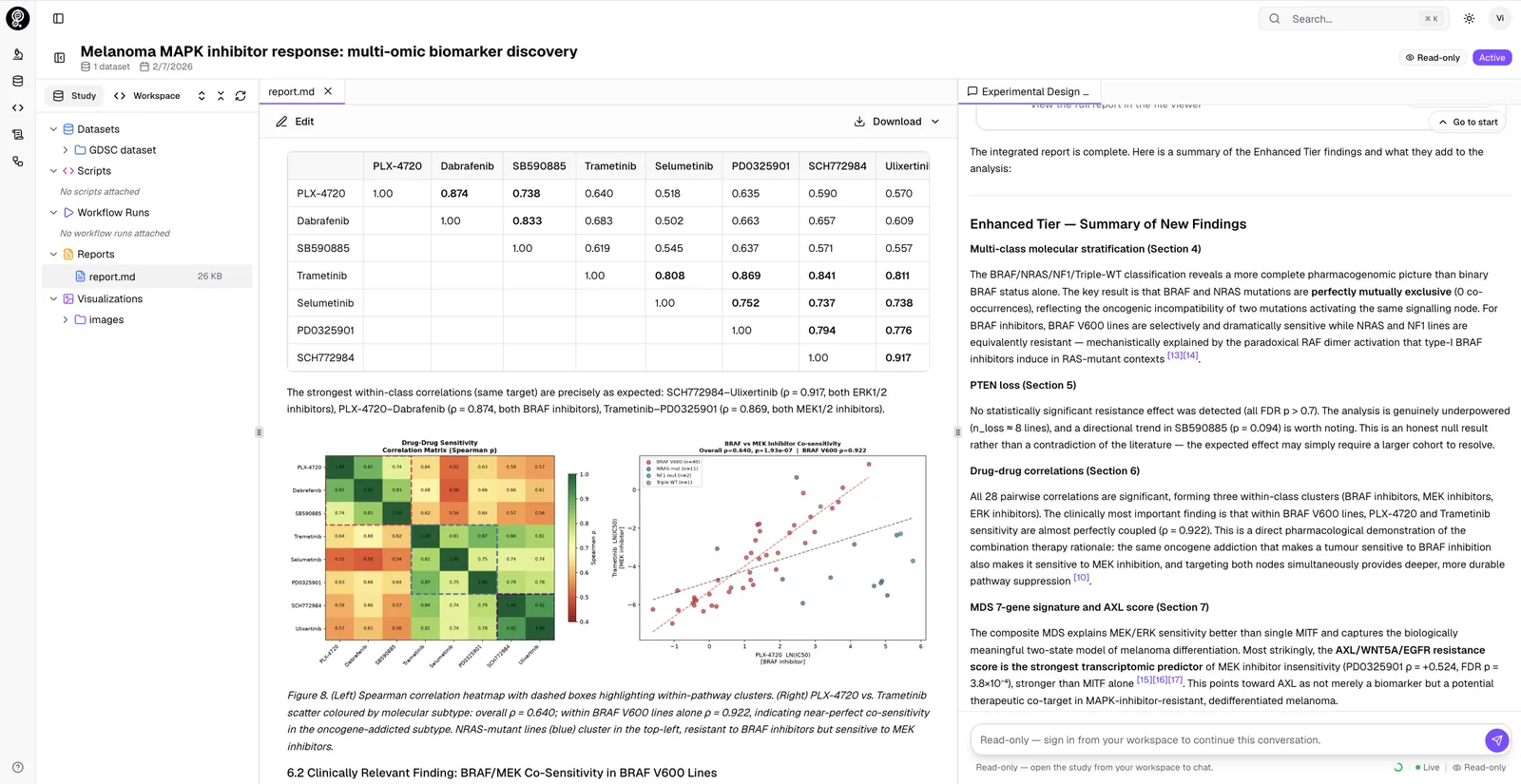
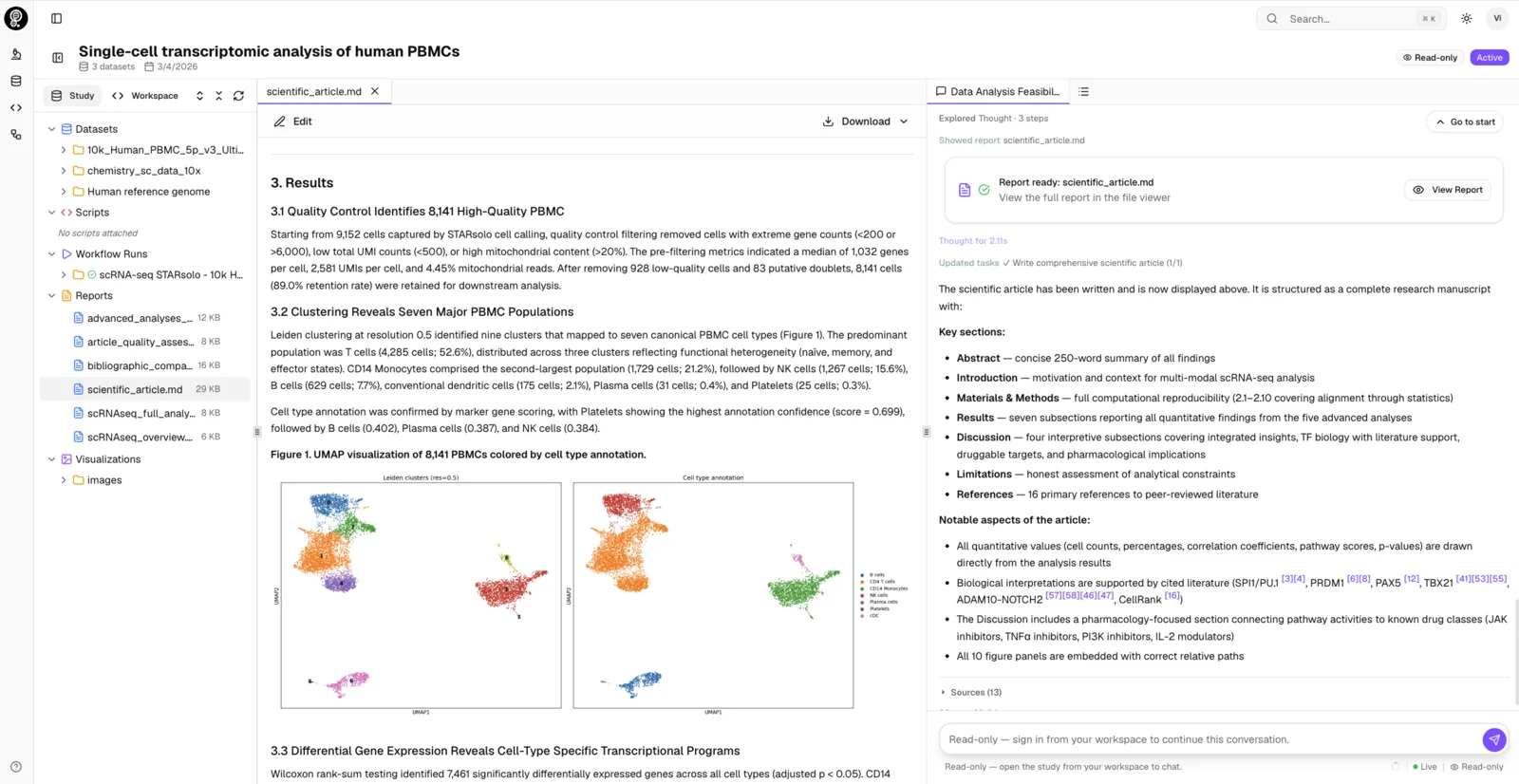
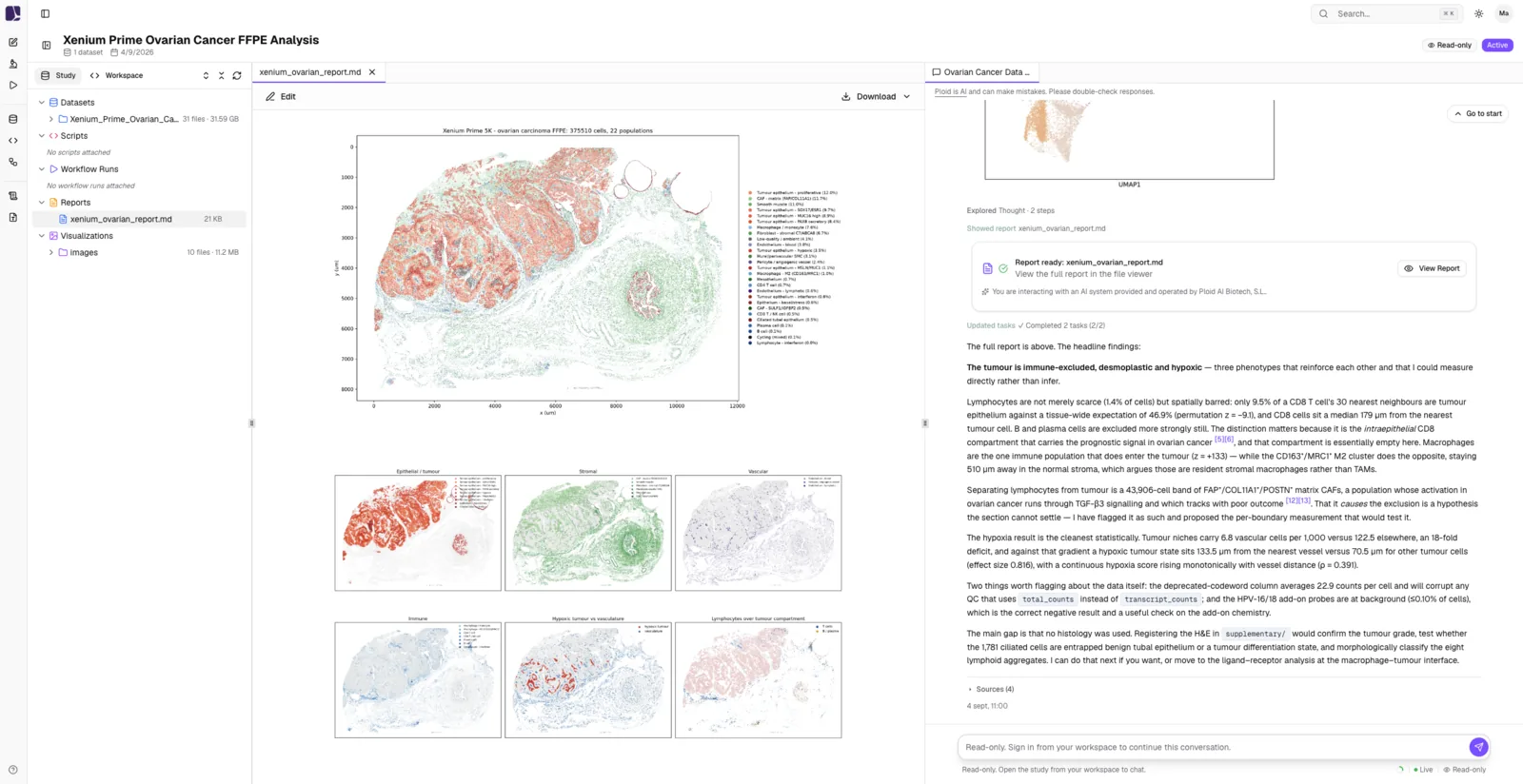
Structural epitope mapping and antibody retrieval on lysozyme
Knowing exactly where an antibody binds its antigen is key to designing better therapies. In this use case, epitope mapping built from 88 antibody structures reveals the binding sites on lysozyme and makes it possible to find antibodies that recognise the same site.
The question
Hen egg-white lysozyme (HEWL) is the most studied protein antigen in structural immunology. Even so, its antibody-accessible surface had never been brought together in a single quantitative map. The goal was to build that map and test whether it can find antibodies that bind the same site.
Data and approach
All the lysozyme antibody–antigen complexes in IEDB-3D (88 complexes and 83 PDB entries) were collected and cross-referenced with SAbDab to obtain their CDR sequences. The complexes were grouped into unique antibodies, and their contact zones were organised into epitope patches. A retrieval method then ranked the antibodies by how much of a query epitope they cover, and the results were compared against 1,133 clinical-stage therapeutic antibodies.
What the analysis found
The 88 complexes correspond to 24 unique antibodies that together cover 92 of lysozyme's 129 positions. The most recognised residues are Trp63 and Asn103, each contacted by 13 antibodies.
These contact zones group into five well-defined binding sites, all significantly more compact than would be expected by chance (p = 0.0005). When searching for antibodies that bind the same site, the method places them at the top of the ranking, with a mean reciprocal rank between 0.93 and 1.00.
The most striking result is that the shape of the CDR loops is enough to predict where an antibody binds, with no information about the antigen. Antibodies with similar geometry share 95% of their contact residues, compared with 26% between different groups.
Why it matters
In antibody discovery, knowing which site each candidate recognises helps choose the most promising ones and diversify the portfolio. If CDR geometry can anticipate it, candidates can be prioritised even before their structure is solved.
The analysis also leaves a useful lesson for any antigen: counting unique antibodies rather than structures gives a far more faithful picture of which regions are truly immunodominant. The whole approach can be applied to any protein with structural data.
Because science is done by people.
Scientific judgement always belongs to the researcher, and Ploid is there to help them go further with their own data.